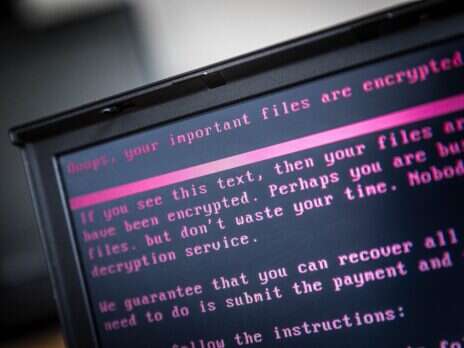
Cybersecurity Rheinmetall reveals last year’s hack by Black Basta cost the firm $10m Though hit with business recovery costs and a dip in sales as a result of the breach, the cyberattack only impacted Rheinmetall’s civilian unit and not its military arm. By Greg Noone
AI and automation OpenAI launches GPT-4o, flaunting ability of model to detect user emotions By Greg Noone
Networks Vodafone-Three merger wins conditional security approval while still under CMA investigation By Greg Noone
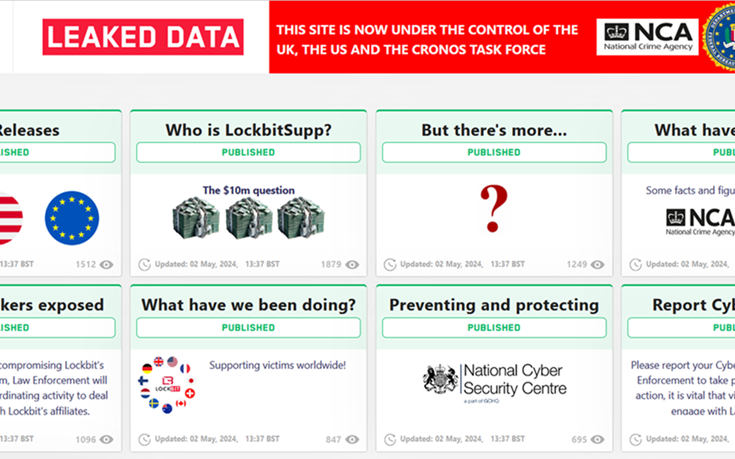
LockBit leader’s hidden identity unmasked on gang’s website by law enforcement coalition Russian national’s identity unmasked on LockBit's website two months after LockBit was raised and temporarily crippled by a joint US, UK and Australian law enforcement operation. By Greg Noone
Cybersecurity Communication gaps between IT departments and senior corporate leadership worsening application security risks By Greg Noone
Cybersecurity Microsoft identifies Russian hacking group deploying ‘GooseEgg’ malware By Lauren Hurrell
Cybersecurity Hackers threaten to leak highly-sensitive data about politicians and exposed individuals By Livia Giannotti
Cybersecurity Russian hackers stole US federal correspondences through Microsoft breach By Lauren Hurrell
AI and automation Cisco joins Microsoft and IBM in signing Vatican’s Rome Call AI pact By Livia Giannotti
Emerging Technology New tool for AWS shares workloads across quantum and classical computers The middleware tool allows users to access compute resources from both quantum and classical computers regardless of where they are based. By Ryan Morrison
Cloud Atos courts competing refinancing bids from Daniel Křetínský’s EPEI and David Layani’s Onepoint By Greg Noone
Unregulated AI could cause the next Horizon scandal Without robust regulation, it will be even easier to make automated decisions without people’s knowledge or consent. By Francine Bennett
Silicon Quantum strategy launched, Arm picks the US for IPO – March 2023 in review By Matthew Gooding
AI and automation Google joins the generative AI race with Bard – February 2023 in review By Matthew Gooding
Government Computing HMRC lambasted for failures in Making Tax Digital scheme, as bill set to top £1.3bn By Greg Noone
Government Computing Data protection bill changes will let DWP check bank accounts of benefit claimants By Matthew Gooding
Prepare for the future now. Achieve greater, secure productivity, using AI with the latest Dell PCs featuring Intel vPro® and Copilot. By Dell & Intel
Cost Savings and Business Benefits Enabled by the Intel vPro® Platform as an Endpoint Standard By Dell & Intel
IDC Infobrief: Workforce Upskilling for the AI Era Tools and training for a future-ready business By Dell & Intel

 View all newsletters