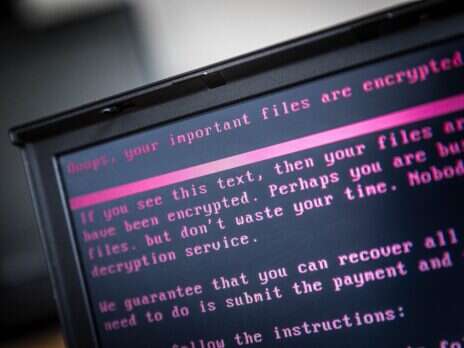
Cybersecurity Microsoft identifies Russian hacking group deploying ‘GooseEgg’ malware Forest Blizzard may have been exploiting Microsoft systems via a vulnerability in Windows since as long back as June 2020. By Lauren Hurrell
Hackers threaten to leak highly-sensitive data about politicians and exposed individuals The information stolen from the World-Check database by hackers includes private information about politically exposed people potentially involved in terrorism or other offences. By Livia Giannotti
Cybersecurity Russian hackers stole US federal correspondences through Microsoft breach By Lauren Hurrell
Cybersecurity Apple warns users in 92 countries that they are targets for “mercenary spyware attack” By Greg Noone
Cybersecurity Half of UK businesses and a third of charities experienced cyberattacks last year By Greg Noone
Cloud Have the hyperscalers broken the UK cloud market? Regulators are probing the UK cloud market for structural failings because of the dominance of a trio of US hyperscale providers. Critics say they should have started earlier. By Greg Noone
AI and automation CMA expresses “real concerns” about big tech influence over generative AI By Greg Noone
Emerging Technology New tool for AWS shares workloads across quantum and classical computers The middleware tool allows users to access compute resources from both quantum and classical computers regardless of where they are based. By Ryan Morrison
Cloud Broadcom makes concessions on VMware security coverage as EU regulators question chipmaker By Greg Noone
Unregulated AI could cause the next Horizon scandal Without robust regulation, it will be even easier to make automated decisions without people’s knowledge or consent. By Francine Bennett
Silicon Quantum strategy launched, Arm picks the US for IPO – March 2023 in review By Matthew Gooding
AI and automation Google joins the generative AI race with Bard – February 2023 in review By Matthew Gooding
Government Computing HMRC lambasted for failures in Making Tax Digital scheme, as bill set to top £1.3bn By Greg Noone
Government Computing Data protection bill changes will let DWP check bank accounts of benefit claimants By Matthew Gooding
 View all newsletters